







At independent schools across the country, leadership turnover remains a defining challenge. In 2025, 10.6% of independent schools experienced a head-of-school transition, and the NAIS reported mean tenure now stands at 8.5 years.1 That reality places fresh pressure on new heads to adapt quickly—not only as academic and community leaders but also as fundraisers.
Fundraising has long been described as one of the most daunting parts of the job for school leaders. Many arrive with limited experience, yet quickly realize that success in fundraising for heads of school is directly tied to their ability to raise money.
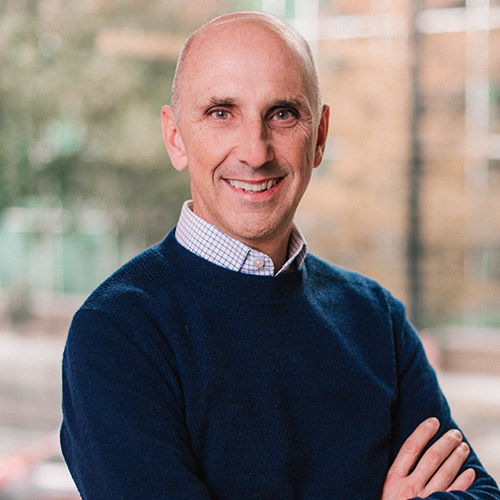
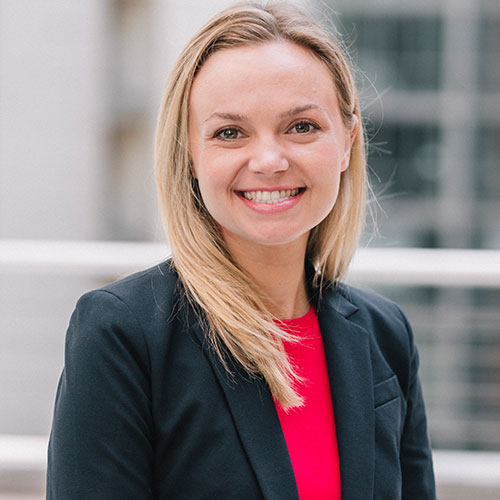
To better understand how heads of school approach this challenge, Bob Weston, Senior Vice President and Practice Lead of Independent Schools at CCS Fundraising, and Margot Mache, Vice President at CCS Fundraising, spoke with John Green, a search consultant with RG175. Green brings more than three decades of independent school leadership—including 12 years as a head of school—to his current work advising boards on leadership transitions.

How New Heads of School Perceive Fundraising Early On
Bob: John, thank you for joining us to have a conversation about your experience fundraising at independent schools.
Many times, you have seen the life cycle of a head of school relative to advancement. Can you elaborate on the attitude many new heads of school have toward fundraising and their understanding of the necessary time commitment to do this important work?
John: In years past, most new heads of school had limited, if any, fundraising experience. Search committees didn’t identify candidates based on their fundraising skillset; schools often promoted new heads based on their success as administrators with an inward focus and their experience in various roles except for head of advancement. Initially, many new heads would view fundraising as a necessary evil—something they have to do but not necessarily want to do. This sentiment often changes when they can’t realize their vision or “make good” on their strategic plans without raising money. So, in the early years, you would find a new head to be somewhat indifferent or unenthusiastic about fundraising while they prioritized students, academic matters, and personnel issues. But this changes with time.
From Reluctance to Engagement: The Shift in Fundraising for Heads of School
Bob: That’s interesting, John. Could you talk more about that shift in perspective towards fundraising and perhaps how new heads of school can prepare for it?
John: This shift typically happens when new heads start to recognize the limitations they face in achieving their aspirations for their students and school. As they walk through the campus, ideas and plans for improving the school flood their minds, but they soon understand they need resources to realize those dreams. Fundraising, as a function, transforms into something they want to embrace and understand better. This transition usually occurs within a headship’s first two to three years. Most new heads of school know that they will likely develop a strategic plan within their first three years, but they are not often as familiar with how the strategic plan will be realized. Typically, that means that a fundraising plan, and likely a campaign, will follow quickly if the initiatives within the strategic plan are to be accomplished.
Aligning the Advancement Office and the Head of School
Margot: I’m curious about the relationship dynamics you’ve observed between the advancement office and new heads of school. How does timing factor into these dynamics?
John: The impact of time is significant. Numbers and deadlines often hold Advancement offices accountable: annual fund goals, capital campaign targets, and other time-bound fundraising initiatives. At the same time, heads of school deal with a myriad of complex short and long-term challenges and decisions, many of which fall beyond fundraising. This can create tension; the advancement office needs to deliver on specific numerical goals, and heads of school are dealing with a broader array of issues. Understanding this dynamic and finding a balance is crucial for effective collaboration.
New heads can further aid collaboration by developing a “sifter,” or clear vision, to guide their decision-making. Heads make many daily decisions on behalf of the school and its people, often navigating conflicting viewpoints from different stakeholders. A clear leadership style further ensures that the consultant, advancement team, and other administrators can operate effectively on behalf of the head of school amongst competing priorities and during demanding periods that may occupy the school administration’s time and valuable attention.
Building Productive Partnerships with Fundraising Consultants
Margot: Those are great insights. It makes sense that the two functions can fall out of step with each other without close communication and a shared vision. Bringing fundraising consultants into the dynamic, I’d love to hear your thoughts on an ideal partnership between the head of school and fundraising counsel.
John: An ideal partnership between heads of school and fundraising consultants is rooted in respect, deep understanding, candor, and forgiveness. Advisors can be sounding boards for heads of school and can provide support beyond exclusively fundraising matters. Consultants’ ability to listen, show empathy, and maintain objectivity is crucial. Advisors can become friends to the heads of school, offering a unique perspective and becoming an additional form of support.
Heads of school can greatly benefit from a coach or an advisor, someone who can listen empathically, challenge candidly, and support consistently. From tuition fluctuations to parent and student crises to leadership transitions, CCS has been grateful to stand by school leaders across the globe during times of challenge and celebration.
Fundraising Experience as a Competitive Advantage in Head Searches
Bob: Yes, we have certainly seen a trend for heads to have that “trusted advisor.” It’s important to have someone who understands the internal dynamics but can also support and offer perspective on the essential external aspects of the job. Could you share more about the shift in importance of fundraising for the head of school role and how it impacts recruitment?
John: The trend I’m observing is that head of school candidates strategically acquire fundraising experience to enhance their profiles and readiness for the position. This shift means that sitting heads of school with tangible advancement experience are often gaining more traction in the recruitment market. Rising stars, while capable of becoming great heads and even fundraisers, might find it more difficult to be appointed to the position without prior fundraising exposure. Boards and search committees now often assume that fundraising credentials are part of a headship candidate’s skill set.
Bob: John, your insights into the evolving mindset of heads of school and the shifting dynamics of their role are invaluable. Your points about their collaboration with advisors and the advancement office reinforce the need for them to seek fundraising training and professional development opportunities. This will help them become more knowledgeable, comfortable, and ultimately prepared to fulfill their school’s mission.
John: Thank you, Bob. It’s always a pleasure to share my experiences and hopefully provide some useful perspectives.
Margot: Thanks so much for joining us, John. We look forward to keeping the conversation going!
References
1. ISCA. The State of Governance in Independent Schools: ISCA Webinar, May 2025. PDF slide deck. Accessed January 28, 2026.
Originally published on December 6, 2023.
More Insights
2026 Philanthropic Landscape, 15th Edition
This report provides a comprehensive look at the current state of U.S. philanthropy, compiling and analyzing annual data from Giving USA and other prominent research…

Primary & Secondary School Fundraising in Practice: Findings from the 2026 Pulse Survey
Of 618 organizations participating in the 2026 Philanthropy Pulse survey in late 2025, 85 self-identified as belonging to the Primary & Secondary School sector. Their responses provide insight into how schools are focusing on operating support, steady…

CCS Fundraising Releases Fifth Annual Philanthropy Pulse Report on the Forces Shaping Nonprofit Fundraising in 2026
CCS Fundraising announces the release of its 2026 Philanthropy Pulse Report, highlighting key sector trends, nonprofit challenges, and actionable insights to guide fundraising strategy.