


Planned giving is one of the most powerful, and often underleveraged, strategies a nonprofit can use to build long-term financial stability. At its core, planned giving refers to charitable contributions arranged in advance, typically integrated into a donor’s financial or estate plans. These gifts often come in the form of bequests, beneficiary designations, charitable trusts, IRA distributions, or gifts of assets like stock or real estate. In 2025, $62.19 billion in charitable giving came from bequests, a 19.7% increase from 2024.1 For organizations committed to mission longevity, a structured, intentional planned giving program is not optional; it’s foundational.
Why Planned Giving Matters
Planned gifts tend to be larger than annual gifts, provide a source of future funding, and deepen donor commitment. A completed planned gift is typically 200 times the size of a donor’s largest annual gift. In addition, donors tend to increase their annual giving by just over 70% once they commit to a planned gift to a nonprofit.2 Planned gifts also allow donors to make transformational contributions without affecting their day‑to‑day financial security. For nonprofits, this means a more resilient funding base, one that can support endowments, capital projects, or long-term program expansion.
Planned giving exemplifies planning; both for donors and nonprofits. For donors, it’s about leaving a legacy or supporting an organization that is important to them in a meaningful way. For nonprofits, it provides them with the freedom to plan future growth in a more strategic manner.
Building a Planned Giving Program: Core Processes Nonprofits Should Use
A strong planned giving program isn’t built overnight. It requires intentional infrastructure, clear messaging, and consistent stewardship. Below are the essential processes nonprofits should consider when developing or strengthening their programs.
1. Program Design: Establishing Structure and Strategy
Before launching outreach, organizations should define the purpose and scope of their planned giving efforts. This includes:
- Gift acceptance policies outlining what types of planned gifts the organization can accept (e.g., bequests, charitable gift annuities, real estate).
- Designation strategy determining whether planned gifts support general operations, endowment growth, or specific initiatives.
- Internal roles clarifying who manages planned giving inquiries, donor relationships, and documentation.
This foundational work ensures the organization can manage and steward complex gifts responsibly.
2. Donor Identification: Finding the Right Audience
Planned giving prospects often share common traits: long-term engagement, consistent giving history, and deep commitment to an organization’s mission. Giving USA’s Leaving a Legacy Report found that 92% of donors who make planned gifts to a nonprofit are also annual donors. Given this strong overlap, nonprofits should:
- Analyze donor data to identify loyal supporters.
- Look for donors who give modest but consistent annual gifts; these individuals may also make significant planned gifts.
- Engage board members and volunteers who may already be considering legacy commitments.
This step is about recognizing that planned giving is rooted in relationships, not wealth alone.
3. Marketing & Messaging: Communicating Clearly and Consistently
Effective planned giving marketing helps donors understand their options and how planned gifts can advance the causes they care about. Nonprofits should:
- Create simple, donor friendly materials explaining planned giving options.
- Highlight stories of legacy donors to demonstrate impact.
- Invite legacy donors to share why they chose to make a planned gift. When appropriate, family members can also offer perspectives on the donor’s legacy and the impact of their support.
- Integrate planned giving messaging into newsletters, websites, and donor conversations. Keep in mind seasonal opportunities that can help reinforce messaging and invite participation.
- Use inclusive language that emphasizes values, legacy, and mission continuity.
The goal is to help donors see planned giving as another way to support an organization and its mission.
4. Donor Engagement: Building Trust and Connection
Planned giving is deeply personal. Donors need to feel confident that the organization will honor their wishes. Nonprofits should:
- Offer one-on-one conversations to explore donor intentions.
- Encourage donors to consult financial advisors and estate planners.
- Provide sample bequest language and beneficiary designation instructions.
- Recognize planned giving donors through legacy societies or special stewardship events.
These conversations help nonprofits understand donors’ long-term intentions and how their gifts can support the organization’s mission.
5. Documentation & Compliance: Ensuring Accuracy and Transparency
Once a donor commits to a planned gift, nonprofits must:
- Document the donor’s intentions clearly.
- Maintain secure records of gift agreements.
- Ensure compliance with applicable legal and financial regulations.
- Review and update policies regularly with professional counsel.
Strong documentation protects both the donor and the organization.
6. Stewardship: Sustaining Long‑Term Relationships
Planned giving stewardship is ongoing. Organizations should:
- Keep legacy donors informed about organizational impact.
- Celebrate milestones and express gratitude regularly.
- Maintain contact even if the donor’s annual giving decreases.
- Engage family members when appropriate.
- Stewardship ensures donors feel connected to the mission long after their gift is arranged.
The Takeaway
A successful planned giving program is not merely a fundraising tactic within a larger strategy; it’s a long-term organizational commitment. By building clear processes, nurturing relationships, and communicating with purpose, nonprofits can continue to not only strengthen long-term organizational sustainability but also increase their annual giving, all while creating a legacy pipeline that sustains their mission for generations to come.
More Insights
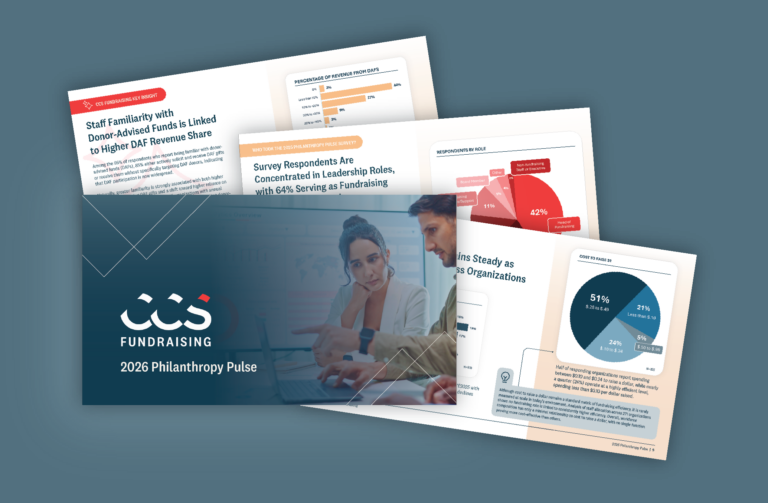
2026 Philanthropic Landscape, 15th Edition
This report provides a comprehensive look at the current state of U.S. philanthropy, compiling and analyzing annual data from Giving USA and other prominent research…

Excel Dashboards That Support Better Fundraising Decisions
Learn how fundraising Excel dashboards can help nonprofit teams organize data, improve reporting, and make more informed fundraising.

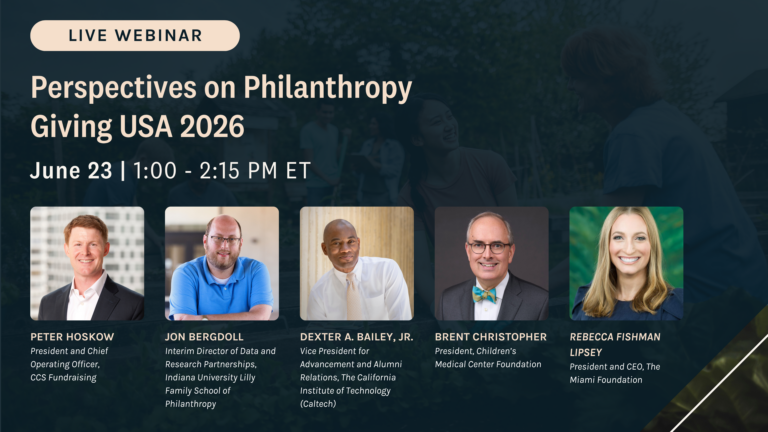
Perspectives on Philanthropy | Giving USA 2026
Missed the conversation? The recording of Perspectives on Philanthropy | Giving USA 2026 is now available.