





What Do the Latest Giving USA Findings Reveal About Philanthropy Today?
On June 23, 2026, CCS Fundraising hosted Perspectives on Philanthropy | Giving USA 2026 in partnership with the Indiana University Lilly Family School of Philanthropy. The discussion explored findings from Giving USA 2026: The Annual Report on Philanthropy, including record charitable giving, changing donor participation patterns, growth across key sources of giving, and perspectives on what nonprofit leaders should be watching in the years ahead.
Record Giving Amid Uneven Conditions
According to Giving USA 2026, charitable giving reached $617.2 billion in 2025, increasing 5.7% in current dollars and 3.0% after inflation. The year marked the first time charitable giving exceeded $600 billion and represented the highest level of giving on record in current dollars.
Jon Bergdoll noted that this growth occurred despite consumer sentiment reaching its lowest annual average on record in 2025, highlighting the complexity of the factors that influence charitable giving.
Donors Down, Dollars Up
While charitable giving continued to grow, donor participation has followed a different trajectory. Data shared during the webinar showed that the percentage of U.S. households making charitable gifts has declined from roughly two-thirds of households in 2008 to approximately half today.
Jon Bergdoll observed that trends among the average donor are increasingly distinct from trends in overall giving, creating a fundraising environment where donor participation and charitable dollars are not always moving in the same direction.
Bequests Continue to Gain Momentum
Bequest giving totaled $62.19 billion in 2025, increasing 19.7% in current dollars and 16.6% after inflation. Over the past five years, bequests have grown faster than overall charitable giving and have been one of philanthropy’s strongest-performing sources.
Rebecca Fishman Lipsey connected this trend to the significant transfer of wealth occurring between generations and emphasized the importance of helping donors think intentionally about the legacy they want to create through their philanthropy.
Major Gifts Continue to Shape Giving Trends
Education organizations received approximately $92 billion in charitable support in 2025, remaining one of the largest recipient categories in philanthropy.
Drawing on his experience in higher education advancement, Dexter A. Bailey, Jr. emphasized the importance of clearly communicating mission, vision, and impact as organizations engage donors in an increasingly competitive fundraising environment.
Speakers

Peter Hoskow
President and Chief Operating Officer
Peter Hoskow is President and Chief Operating Officer of CCS Fundraising. Since joining the firm in 1999, he has been a principal driver of CCS’s growth, helping to expand its capabilities and geographic reach. He leads firm-wide operations, client service, and innovation. His work focuses on aligning strategy, people, and systems to support client success across sectors.
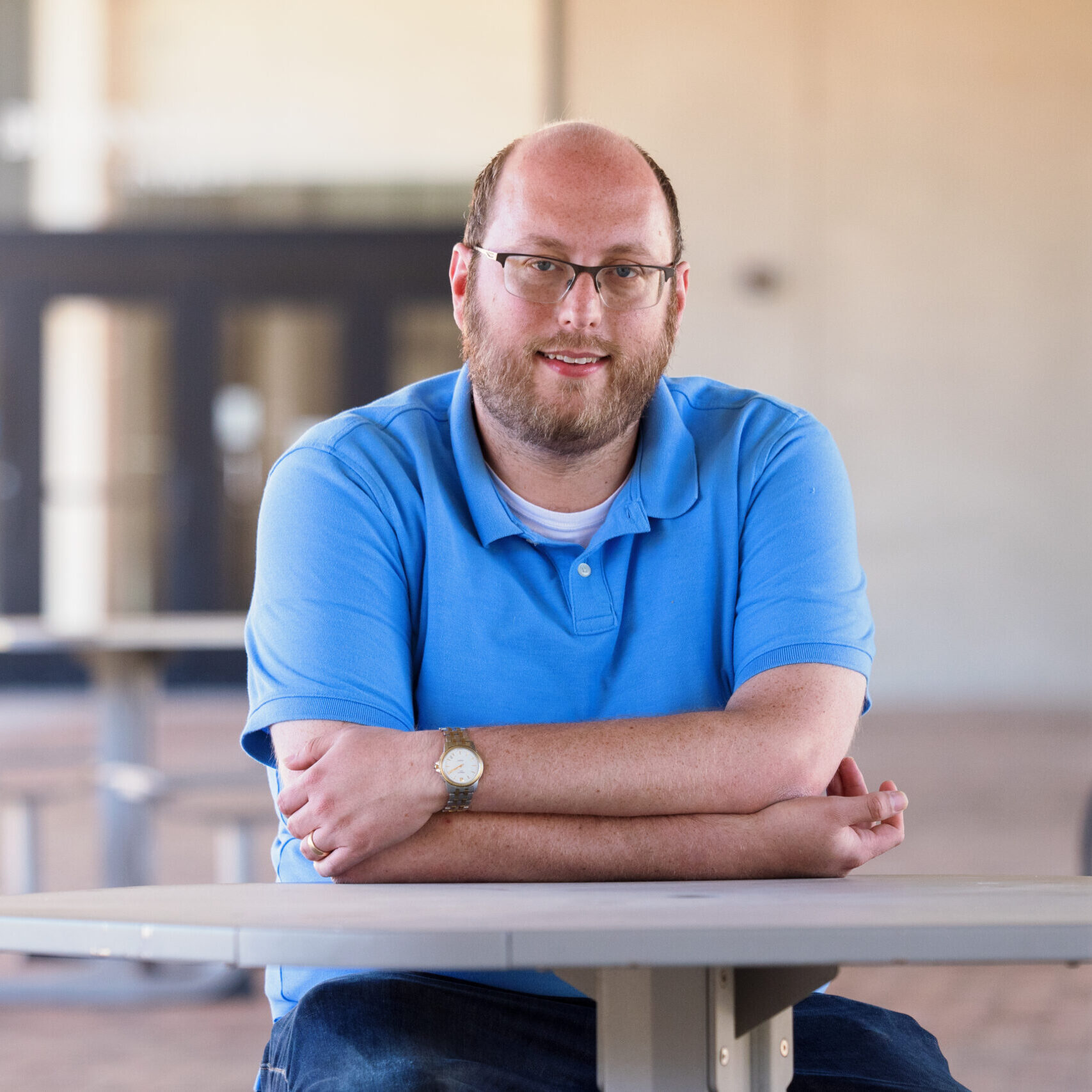
Jon Bergdoll
Interim Director of Data and Research Partnerships, Indiana University Lilly Family School of Philanthropy
Jon Bergdoll is Interim Director of Data and Research Partnerships at the Indiana University Lilly Family School of Philanthropy. He joined the School’s research team in 2015 as an applied statistician. For the past decade, he has served as lead analyst for Giving USA. His work focuses on the measurement of philanthropic giving, data analytics, and policy analysis.
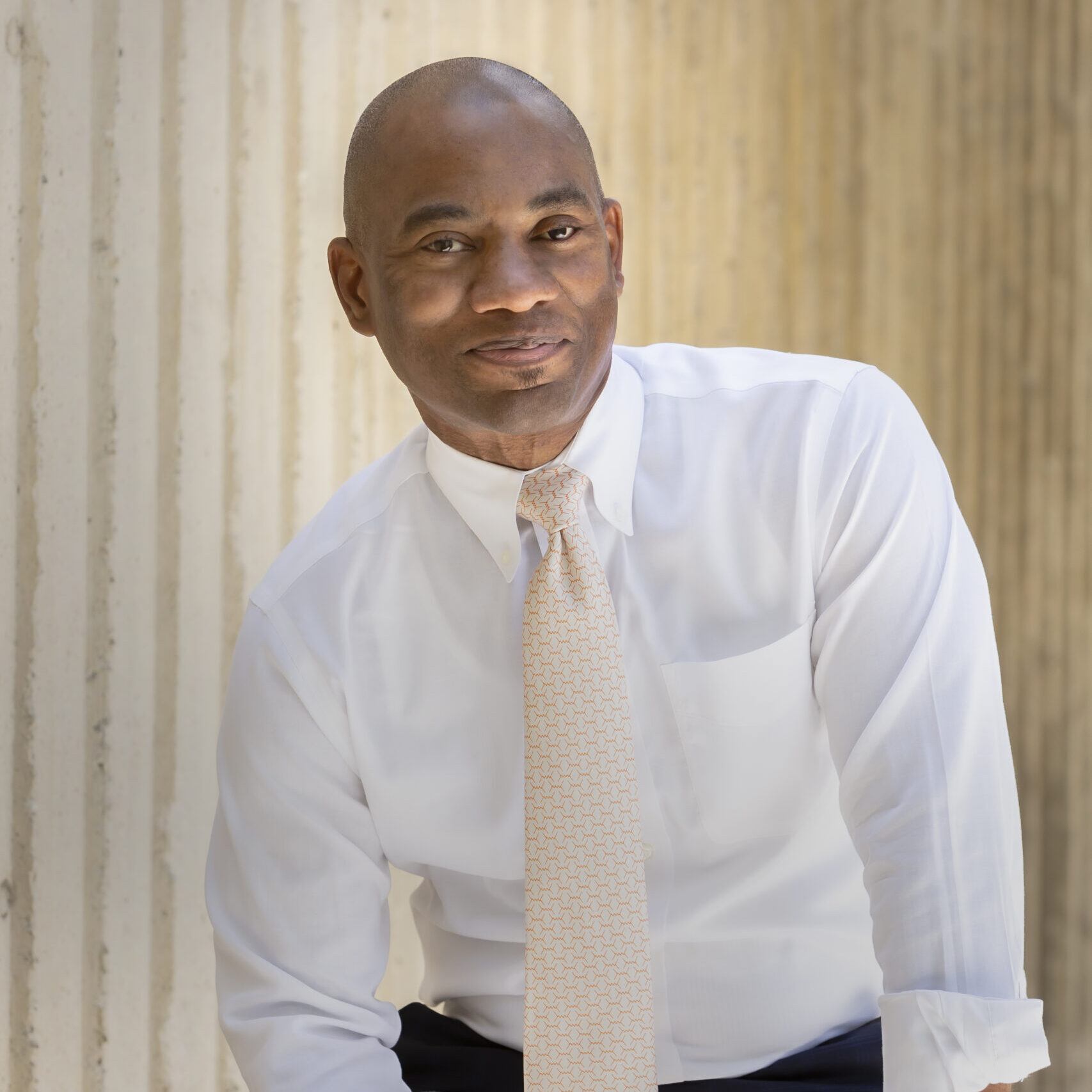
Dexter A. Bailey, Jr.
Vice President for Advancement and Alumni Relations, The California Institute of Technology (Caltech)
Dexter A. Bailey, Jr. Is Vice President for Advancement and Alumni Relations at the California Institute of Technology (Caltech). A fundraising leader with more than 30 years of experience, including nearly two decades in senior leadership roles, he has led fundraising efforts across higher education institutions. His work focuses on fundraising leadership, institutional strategy, and the role and experience of minorities in university advancement.
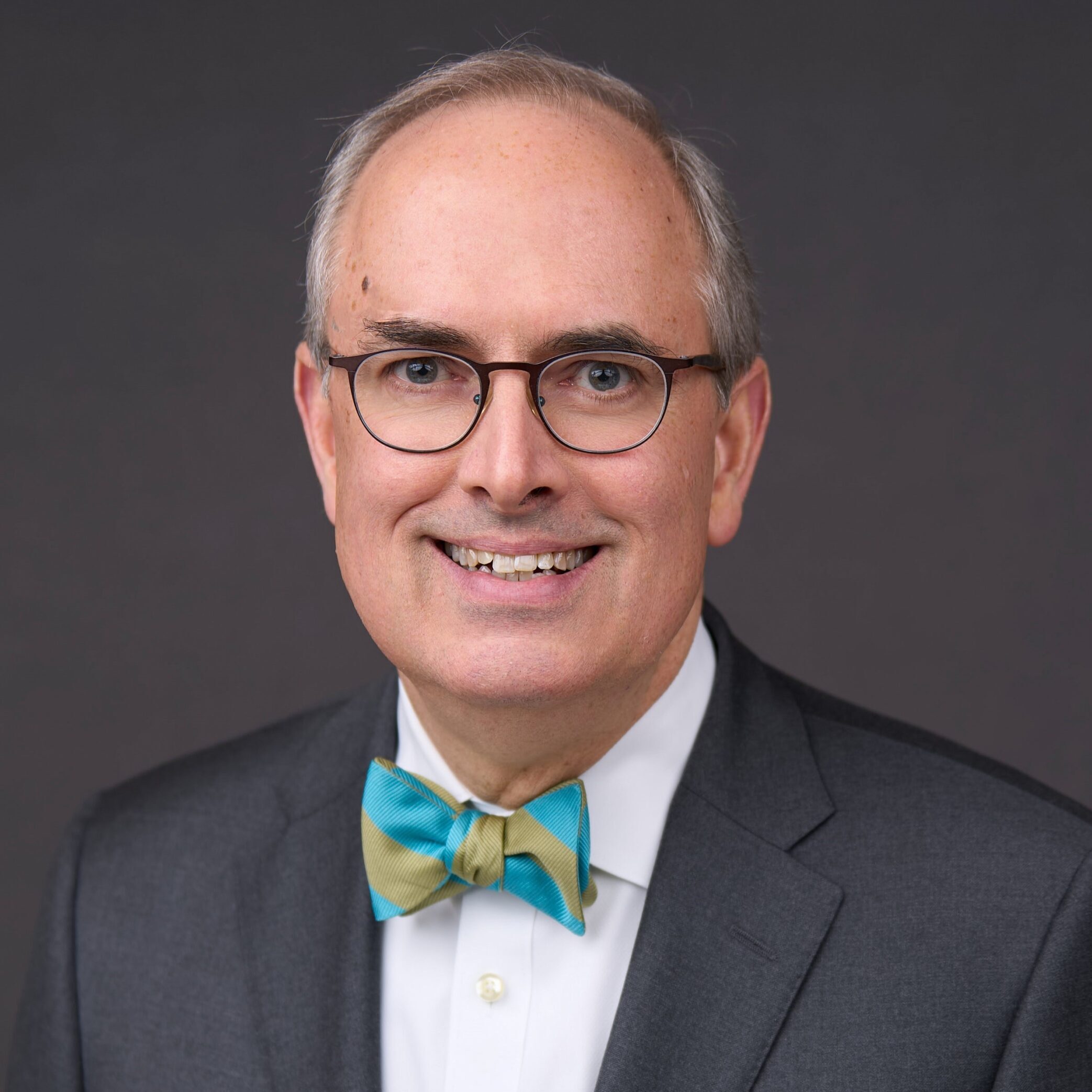
Brent Christopher
President, Children’s Medical Center Foundation
Brent Christopher is President of Children’s Medical Center Foundation, leading fundraising efforts for Children’s Health and its affiliated programs. He joined the organization in 2016 after serving as President and CEO of Communities Foundation of Texas. During his tenure there, he helped grow North Texas Giving Day into a major community-wide fundraising initiative. His experience spans community foundations, healthcare philanthropy, and large-scale fundraising efforts.
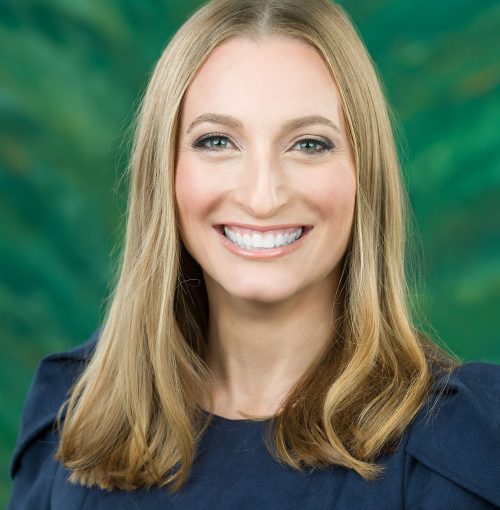
Rebecca Fishman Lipsey
President and CEO, The Miami Foundation
Rebecca Fishman Lipsey is President & CEO of The Miami Foundation, where she leads efforts to mobilize generosity and drive community impact across Greater Miami. Since 2020, she has grown the Foundation’s assets by over 50% while advancing equity and collective impact. A former education policymaker and founder of Radical Partners, she began her career as a public school teacher and later served on the Florida Board of Education. Rebecca is deeply committed to Miami—and most proud of raising two kind, grounded sons alongside her husband.
Frequently Asked Questions (FAQs)
Giving USA Report Definitions
How does Giving USA categorize religious giving?
“Religious giving” in Giving USA includes giving to congregations, houses of worships, and a small number of other religious exempt organizations (e.g., missionary support groups). Religiously affiliated nonprofits—such as a homeless shelter that may be affiliated with a church, or a catholic non-profit hospital —are counted under their respective categories.
Under current US tax law, all churches and other bodies of worship are assumed to be 501c(3)s and do not need to register (religiously exempt non-congregations do need to register, though they don’t need to file subsequent forms like Forms 990 with the IRS). As this giving is tax-deductible, we do include it on the sources side, and our estimate for religious giving includes all congregations, including those who have never registered with the government.
Is religious giving included in Individual giving?
Religious giving by individuals is, yes. Foundations, corporations, and bequests may all make charitable contributions to religious organizations, and those gifts would be captured under their respective source. Most religious giving does come from individuals, however.
How does Giving USA define foundation giving, and what types of foundations are included?
Foundation giving is defined by the longstanding list of foundations used by the Foundation Center, now a part of Candid. These include private foundations as well as community foundations. These foundations include both large and small foundations. Additionally, Giving USA calculates its estimates by counting corporate foundations under corporate giving.
Most foundation giving comes from independent foundations, which include family foundations. In 2024 this share was 78%. Giving USA does not separately estimate family foundations.
What is included in the Public-Society Benefit category?
The subsectors in Giving USA are roughly modeled on NTEE codes. With some exceptions (noted below), public society benefit corresponds to all 501c(3) organizations under codes:
R: Civil Rights, Social Action & Advocacy
S: Community Improvement & Capacity Building
T: Philanthropy, Voluntarism, & Grantmaking Foundations
U: Science & Technology
V: Social Science
W: Public & Societal Benefit
Often, foundations are included under category T; for Giving USA, we instead include foundations, including community foundations, as part of our foundations estimate.
In recent years, DAF giving has made up a sizable portion of this public society benefit (PSB). However, due to the way Giving USA handles DAF giving—by subtracting out the gifts made by DAFs from the contributions figure, as they’re instead counted at their final destination—this lessens the impact. For instance, in 2024, total direct support to public society benefit organizations was totaled at $117.1 billion, with $78.8 billion of that coming from gifts to DAF accounts. This would show DAF giving as 67% of PSB. However, $52.7 billion dollars were granted from DAF accounts. Netting this out of our DAF figure & PSB estimate instead shows gifts to DAFs contributing $26.0 billion to our estimate of PSB giving, now at $64.6 billion. This would show DAF giving as 40% of PSB.
How is affluence defined in this study?
Giving USA does not define affluent households or otherwise use data pertaining only to affluent households. Please see the 2025 Bank of America Study of Philanthropy for more details on these data: https://scholarworks.indianapolis.iu.edu/items/96fe8c10-6f4d-4839-8ac7-cf2c6a7b360e
What is consumer sentiment, and how is it measured?
Consumer sentiment, as referred to in Giving USA, is specifically referencing the University of Michigan’s monthly data series, derived from their survey of consumers: University of Michigan, University of Michigan: Consumer Sentiment [UMCSENT], retrieved from FRED, Federal Reserve Bank of St. Louis; https://fred.stlouisfed.org/series/UMCSENT.
Please see the University of Michigan’s page for more details on the index and its measurement: https://www.sca.isr.umich.edu/.
Giving USA Report Methodology
How are donor-advised funds (DAFs) counted in Giving USA?
DAFs are counted under whichever sponsoring organization’s subsector they fall in. For example, DAFs held at community foundations are counted in Foundations; DAFs at national sponsors like Fidelity Charitable or Schwab are counted in Public-Society Benefit. Giving USA takes the net of incoming contributions minus outgoing grants for DAFs to reduce double-counting.
It depends on WHERE the DAF is housed. DAFs are counted under whichever sponsoring organization’s subsector they fall in. For instance:
- DAFs held at community foundations → counted in Foundations subsector
- DAFs at national sponsors (Fidelity Charitable, Schwab/DAFgiving360, Vanguard Charitable, National Philanthropic Trust) → counted in Public-Society Benefit subsector
- DAFs at higher education institutions → counted in Education
- DAFs at organizations like World Vision → counted in International Affairs
- DAFs at Humane Society → counted in Environment/Animals
For more granular detail, the full Giving USA report releasing July 8, 2026 will include a dedicated DAF chapter with more specificity.
Are crowdfunding gifts included in Giving USA totals?
Crowdfunding donations that go to 501(c)(3) organizations ARE included. However, crowdfunding by individuals for individuals are NOT included. Similarly, any gift to a political party or other entity that is not a 501(c)(3) organization is not included in our estimate.
Giving USA tracks and includes only private contributions to tax-deductible 501c(3) organizations.
How are fiscal sponsorships counted in Giving USA?
Fiscal sponsors are tracked depending on how they are organized & file with the IRS. If they file as an independent organization with their own 990, they are an independent observation in our data. If instead they are included in the filing of their parent organization, only the parent organization and its data — which would presumably include the finances of the Fiscal Sponsor — be included.
Does Giving USA track government giving to nonprofits?
No. Giving USA data reflects only private contributions to 501c(3) organizations, so does not include government grants or contracts.
However, information about the challenges faced by nonprofits due to losing government funds, as well as other issues outside the scope of donations, are discussed in the relevant subsector chapters of the full publication.
Giving USA Report Data
What percentage of U.S. households give to charity?
Giving USA does not track the percentage of U.S. households that give.
What was the average individual gift amount?
Giving USA does not track gifts at a per-gift level.
How much did individuals give when bequests, family foundations, and donor-advised funds (DAFs) are included?
DAFs are already included at the source of their giving. Giving USA does not separately estimate family foundations, though there is a heuristic that they are around 64% of Giving USA’s independent foundation value. Summed together, these would represent 83% of giving in the most recent estimable year, though this is not a value Giving USA estimates.
What percentage of foundation giving comes from family foundations?
Giving USA does not estimate a separate value for this. Occasionally in the past, Giving USA has seen family foundations represent approximately 64% of independent foundation giving. For 2024, the most recent year available for this data, they represented approximately 51% of foundation giving.
How much of the growth in Public-Society Benefit giving was attributable to MacKenzie Scott?
For 2025, Giving USA estimated approximately $317 million of MacKenzie Scott’s giving went to public-society benefit organizations. This is an decrease from her estimated $817 million in 2024, and represents less than 1% of funding that went to public-society benefit in 2025.
Is the increase in education giving consistent across all types of educational institutions?
Giving USA does not disaggregate education giving at this level.
What were the 2025 dollar amounts by recipient subsector?
Yes, the breakdown for dollar amounts by recipient subsector for 2025 is:
- Religion: $151.58B (23%) (up from $148.05B in 2024)
- Human Services: $99.50B (15%) (up from $94.45B in 2024)
- Education: $92.01B (14%) (up from $82.35B in 2024)
- Gifts to Foundations: $79.05B (12%) (down from $94.30B in 2024)
- Public-Society Benefit: $72.06B (11%) (up from $64.58B in 2024)
- Health: $61.43B (9%) (up from $57.92B in 2024)
- International Affairs: $33.02B (5%) (up from $31.72B in 2024)
- Arts, Culture & Humanities: $27.31B (4%) (up from $25.41B in 2024)
- Environment/Animals: $24.57B (4%) (up from $22.14B in 2024)
- Gifts to Individuals: $25.77B (4%) (up from $25.58B in 2024)
Does Giving USA measure individual giving by wealth or income level?
Giving USA does not measure individual giving by wealth or income level.
How much support did Education receive year over year?
Education reached its all-time high in both current and inflation-adjusted dollars in 2025.
- Total giving to education: $92.01 billion in 2025
- Year-over-year growth: +11.7% in current dollars
- Inflation-adjusted growth: +8.9%
- Dollar increase: from $82.35 billion (2024) to $92.01 billion (2025)
- This represents a $9.66 billion increase year over year.
Does Giving USA track giving to military and veterans organizations?
While Giving USA does not track this, the Lilly Family School of Philanthropy does have a relevant project, the Military and Veterans Community Index: https://mvcindex.communityplatform.us/.
Does Giving USA provide DAF-specific growth trends?
Because DAFs are counted within their respective subsectors rather than as a standalone category, isolating DAF-specific growth trends across all subsectors is reported in Giving USA. Please see resources like the DAFRC’s annual DAF report for DAF-specific detail for the sector: https://www.dafresearchcollaborative.org/research/annual-daf-report
Does Giving USA track giving to older adults?
Though Giving USA does not track this data, the Giving Institute produced a report on this topic several years ago: https://givingusa.org/product/giving-usa-special-report-giving-and-the-golden-years/
Does Giving USA track giving to women and girls?
While Giving USA does not track this, the Women’s Philanthropy Institute at the Lilly Family School of Philanthropy does have a relevant project, the Women & Girls Index: https://wgi.communityplatform.us/
Bequests & Planned Giving
Does Giving USA provide data on bequest distributions?
Unfortunately, no. Giving USA does not have information on the charitable designations for bequest gifts.
Are bequests counted as realized gifts or intentions?
Giving USA includes only realized bequests and does not count pledges.
Why are bequests tracked separately from individual giving?
This differentiation is due to both the data for these types of giving being gathered separately, as well as the factors that drive them— what causes them to go up or down in a given year—are fairly different, necessitating different models. Of course, the end user can add these figures together if they wish, and many do.
What is driving the trend in bequests?
Bequest giving is highly volatile from one year to the next, and big swings are not uncommon. Because of this, single year results should never be taken as indicating a trend.
Nonetheless, bequests have increased substantially over the last several years. Many factors are likely causing the recent increase. We know that the growth in the market—including three strong years in a row, from 2023-2025—have increased overall net worth, which leads to an increase in estate and bequest size. We also know there are other factors which could be contributing, including the demographics underlying the concept of the Great Wealth Transfer. It is not clear yet the degree to which the passing of wealth from the Silent and Baby Boomer generations to younger generations—the so-called Great Wealth Transfer—is responsible for this increase, and how much is related to the increase in wealth that several strong years of market growth have created.
Can Giving USA project future bequest giving?
No, Giving USA does not project forward giving for future years.
How are bequest trusts counted in gifts to grantmaking foundations?
This was said in reference to people leaving money directly to a foundation in their will, often as an endowing gift or at least to further fund an extent endowment. Paul Allen’s $3.1 billion is an example of this, fully going to the Fund for Science and Technology, a private foundation.
Giving Trends & Philanthropic Giving
Are the number of U.S. households that give to charity continuing to decline?
Giving USA does not track the percentage of U.S. households that give. The information presented on that slide came from two long-running projects: the Bank of America High Net Worth report, published every two years; and the Philanthropy Panel Study, also published every two years, though with a lag on that data. For neither survey do we have 2025 data; in the BofA report, there was a decline in the percent of affluent households giving between 2022 and 2024. This trend is more well-known and studied in the Philanthropy Panel Study, which looks at all US households. There we see this decline throughout the entire length of the series, dating back to 2000, though really taking off around 2008 and the Great Recession.
Giving USA does not partner with FEP or GivingTuesday for data, though their reports may be mentioned in chapters in the full publication.
Does Giving USA identify success in attracting new individual donors, younger donors, or smaller gifts?
Giving USA does not track donor acquisition or retention, though chapters of the book may contain information on this, depending on if a report or research on this topic was included in the chapter.
Are individual donors looking for more proof of impact?
Giving USA does not track donor motivations or trends within that.
What are the trends in online giving?
Giving USA does not track online giving. However, more information on online giving from other sources can be found within the chapters of the report.
What are the trends in individual giving among specific demographic groups?
Giving USA does not look at giving on a demographic basis.
How are workplace giving programs changing over time?
Giving USA does not separately estimate workplace giving. However, the chapters on individual and corporate giving may include information on workplace giving that is drawn from external sources.
How is artificial intelligence affecting philanthropy and fundraising?
Giving USA does not have any estimates regarding AI. However, information from other sources on how AI is impacting philanthropy, fundraising and nonprofit organizations is included in the chapters of the report. Explore CCS Fundraising’s AI in Fundraising paper and the 2025 CCS Philanthropy Pulse Report’s Donor Data, AI, & Innovation chapter.
What are the trends in cryptocurrency donations to nonprofits?
While there has been a noted increase in cryptocurrency donations, Giving USA does not separately estimate methods of giving.
What has the trend in charitable bequests been over the past decade?
Bequests have seen 5.9% annualized growth over the last ten years, though this is the second lowest of any of Giving USA’s four sources. However, we have seen bequests outperform overall giving in both 2016-2020 and 2021-2025.
What factors are influencing trends in corporate giving?
Corporate pre-tax profits have seen a rise alongside corporate giving, with corporate giving shifting only from 0.8% to 1.1% of these profits. Additionally, Giving USA has noted a surge in in-kind assistance being done by patient assistance programs, which are typically made through corporate foundations (this total is tracked in the “Giving TO individuals” estimate). However, at present Giving USA doesn’t know if these are causally related or simply correlated with each other.
What are the trends in corporate giving to racial justice organizations and broader DEI initiatives?
Giving USA is not able to track the purposes or destination of gifts by source, and so cannot answer.
What explains recent growth in giving to environmental organizations?
Environmental giving has seen solid growth in recent years, with the highest 5-year annualized growth rate among the uses.
Foundation Giving, DAFs & Community Foundations
What factors may be contributing to growth in foundation giving?
We know a relationship exists between foundation giving and giving by the wealthy, which we know from other data (such as the IRS tables on individual giving by income category) has increased significantly in recent years. While likely other factors are present here, this would seem to be at least part of the explanation.
Do foundations still tend to give at 5% of a three-year rolling average?
Most foundations do still give at the required 5% payout rate. For more information about efforts to shift this, please see the chapter on foundations in the book.
Is there a percentage of foundation giving directed to community foundations?
Community foundations are counted among foundations in both sources and uses.
Are smaller/family office foundations and larger staffed foundations still split roughly 50/50?
Giving USA does not track this information.
How will foundations leverage program-related investments (PRIs)?
Giving USA does not track this information.
How can nonprofits engage community foundations?
Giving USA does not track this information.
How much donor-advised fund (DAF) giving is directed to different charitable causes over time?
Please see the book chapter on DAFs, which contains novel analysis on the giving distribution of DAF funds by charitable subsector in 2024, the latest year with available data.
Corporate Giving
Are corporate sponsorships counted as corporate giving?
Any contribution deducted as part of a corporation’s charitable contribution on their federal taxes would be counted under corporate giving.
Does Giving USA track corporate giving by geography or giving vehicle?
Giving USA does not have detailed information on corporate giving.
What share of corporate giving is in-kind versus cash?
Giving USA does not have detailed information on corporate giving. Additional research is being done to determine if the gifts tracked in To Individuals can fully accurately be subtracted out from corporate giving to present an alternative look at corporate giving, sans pharmaceuticals.
Does Giving USA track corporate giving by industry?
Giving USA does not have detailed information on corporate giving.
Does Giving USA track how corporate giving is designated?
Giving USA does not have detailed information on corporate giving.
How can corporate foundations encourage employee giving and volunteering?
Giving USA does not have detailed information on corporate giving.
Public Policy & External Factors
How might changes in government funding affect charitable giving?
Giving USA does not track government funds to nonprofits. It is still unclear what the net effect of these cuts will have on nonprofit donations. While a loss of funding will likely reduce an organizations’ fundraising capacity, potentially reducing donations, many donors have reported being motivated to give to address these funding cuts, potentially increasing donations. This is reflective only of the private donations tracked with Giving USA, not overall revenue which would include government funding, which is certain to fall due to these cuts.
How does Giving USA anticipate categorizing gifts made through the Education Freedom Tax Credit Scholarship program?
If these organizations are classified as 501c(3) organizations, they would be included within Giving USA. They would likely be education organizations.
Are disaster-related gifts reflected in Giving USA data?
Yes, disaster giving is included. For years prior to the receipt of final data, we adjust our estimates for disaster giving, similar as with mega-giving and other unforecastable events that would otherwise be missed in an estimate. For 2025, this included $654 million towards Wildfire Relief.
What factors contributed to overall growth in charitable giving?
Giving in 2025 was partly driven by strong growth in the stock market and solid growth in GDP, which support giving by corporations, foundations, and individuals. The S&P 500 grew 16.4% (13.4% adjusted for inflation) and GDP grew 5.0% (2.3% adjusted for inflation). Growth in personal income and consumer spending also lifted individual giving. Disposable personal income grew by 4.4% (1.7% adjusted for inflation) while consumer spending grew by 5.3% (2.6% adjusted for inflation). However, consumer sentiment, an index based on surveys about attitudes toward personal finances and business conditions, dropped by 20.6%, reaching a 60-year low.
What factors contributed to growth in specific charitable subsectors?
Giving USA broadly estimates giving based on primarily economic factors, such as GDP and the S&P 500. While one-off events may cause some increase in giving that, if large enough, is factored separately—such as the LA wildfires—we are not able to parse smaller effects due to specific events or other sociopolitical factors.
Recipient Organizations & Subsectors
Is Giving USA focused on university and hospital giving, or does it apply to other nonprofit organizations?
Giving USA includes all private giving done to tax-deductible 501(c)(3) organizations. This includes universities and hospitals, but also includes all other forms of tax-deductible nonprofit. Please see the relevant subsector for information that may be more specifically pertinent, though individual organizations’ experiences will always differ in some capacity from the overall trends.
How are international humanitarian organizations categorized in Giving USA?
Organizations are categorized by their primary mission. So for organizations like those mentioned, yes, they would be in International Affairs.
Are hospitals and health systems included in the Health category?
Broadly speaking, those are included in health. The exception are hospitals that are part of a university system—those are counted as education, under their university.
How are public media organizations categorized in Giving USA?
Yes, the nonprofits associated with PBS and NPR are counted under public benefit.
Are international relief organizations counted under Human Services or International Affairs?
While it can vary based on the organization, generally organizations with a strong international focus are categorized as international affairs.
How are community nonprofits such as YMCAs and JCCs categorized?
Due to the services offered, these are most typically included in human services.
Does Education include both higher education and education-based nonprofits?
Yes, as well as private K-12 education organizations.
How are higher education foundations categorized in Giving USA?
A DAF or an organization called a foundation (e.g., the IU Foundation) housed within a higher education institution would be counted under Education.
Why are Environment and Animals reported together?
This was how the category was initially tracked in the 1980s, and has continued to be tracked as such for consistency.